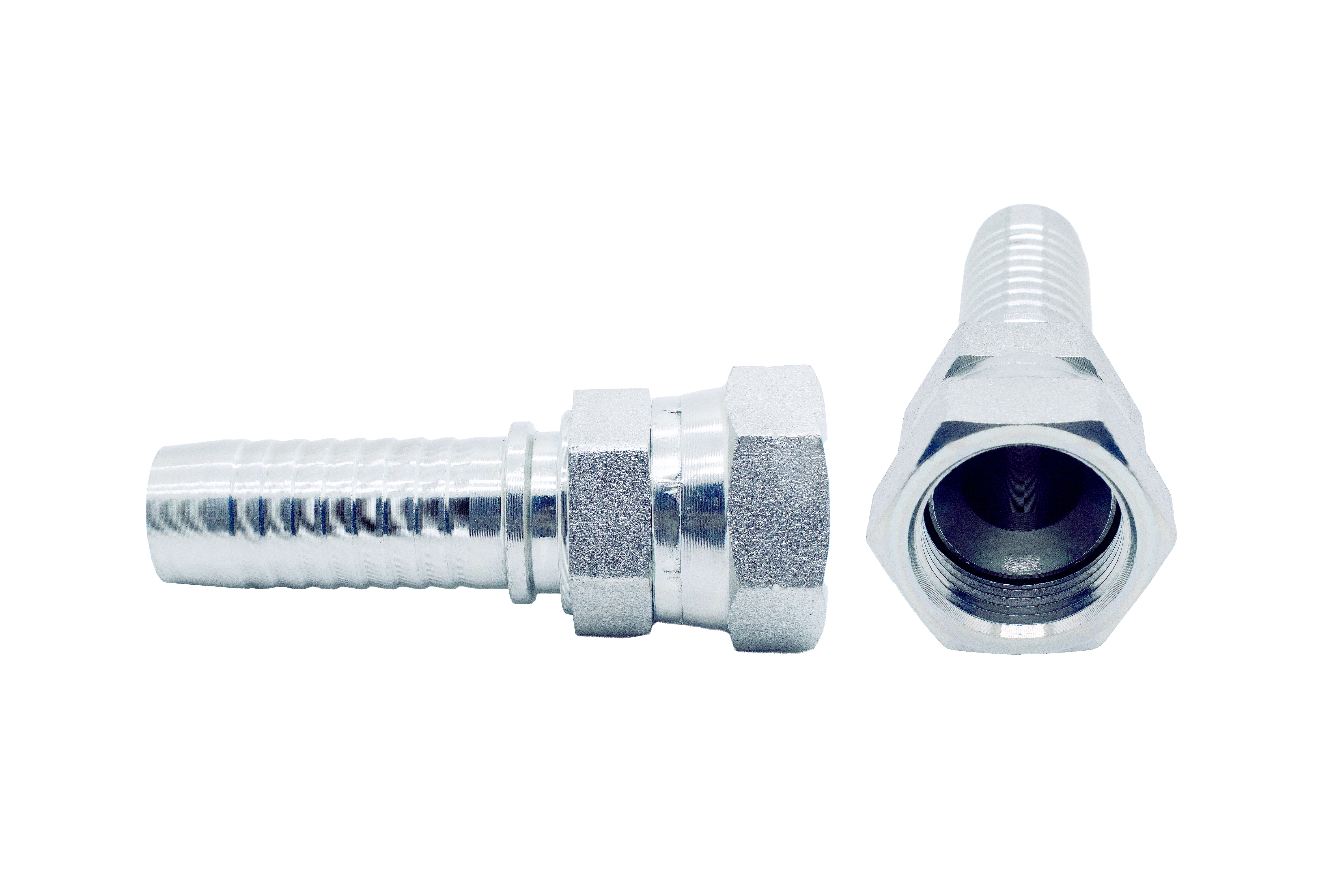
GUANGDONG BOLANG FLUID TECHNOLOGY CO.,LTD

GUANGDONG BOLANG Hydraulic Fittings Co., Ltd. has been specializing in hydraulic fittings and high-pressure hydraulic hoses for over 20 years. We mainly supply GB, ANSI, and DIN standard hydraulic fittings, high-pressure hoses, and hose assemblies, widely used in engineering,machinery, metallurgy, mining, and other industries. The company supports various non-standard customizations, serving domestic and international clients with professional solutions and efficient after-sales support.

0 +

Industry experience (years)

0

Industry coverage (number)

0

Business coverage area

0 +

The company occupies an area of

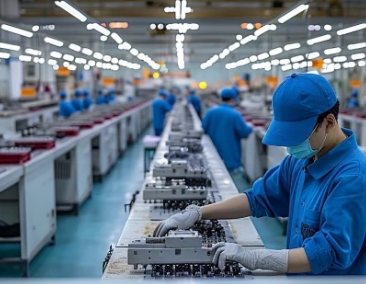
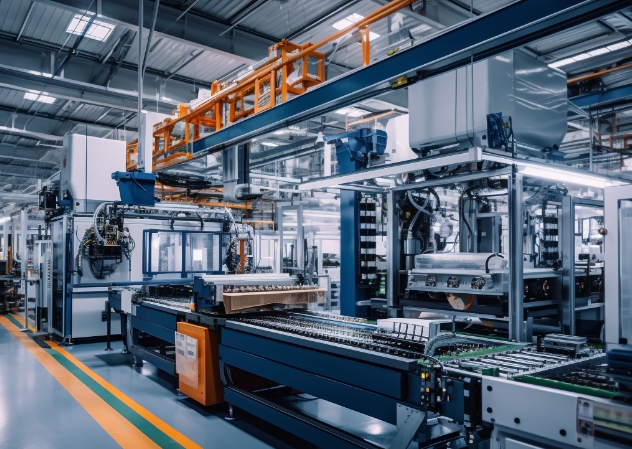
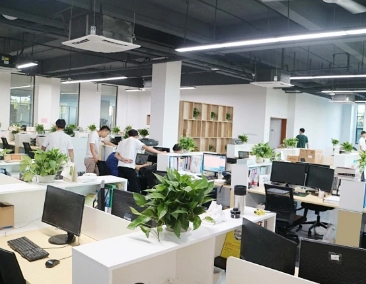
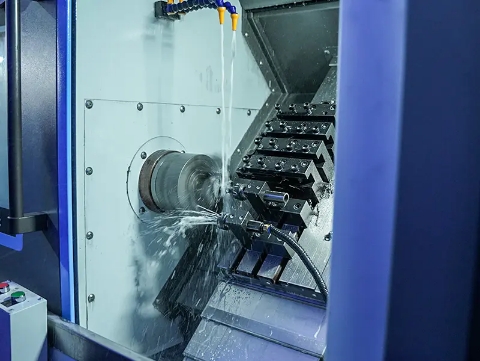
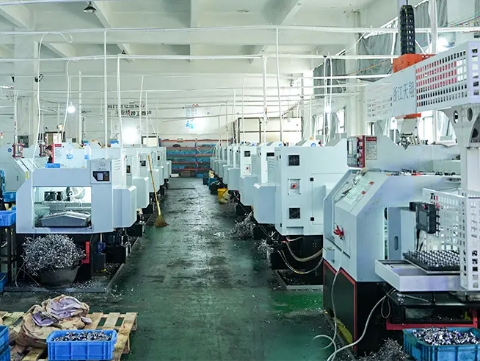
Our factory

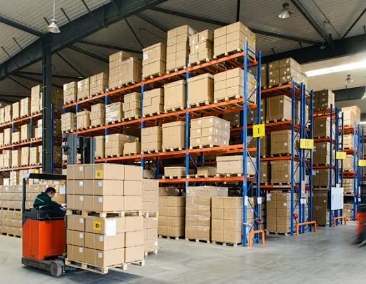
  • Production workshop :10000 square meters, warehouse :5000 square meters
  • Employee :120 +
  • 30 million hose fittings 10 million adapters
  • Annual output: 20 million hydraulic parts and converter

Our Products

    • Crimping machine

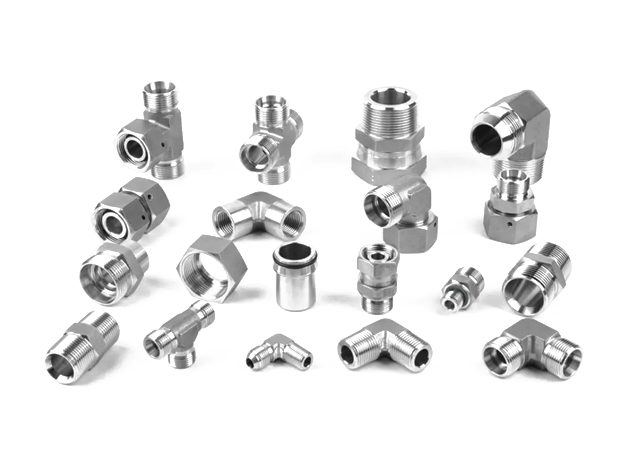
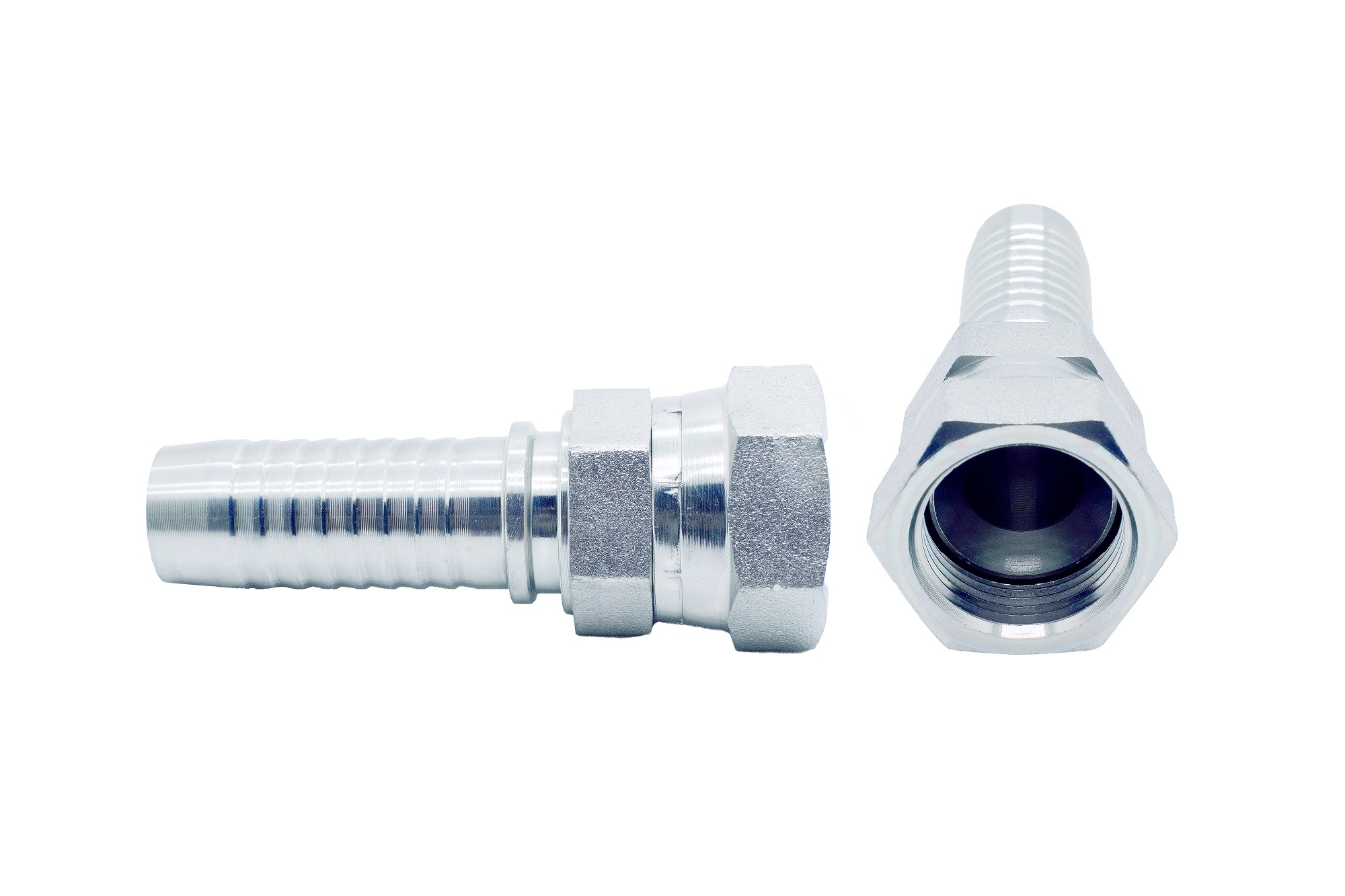
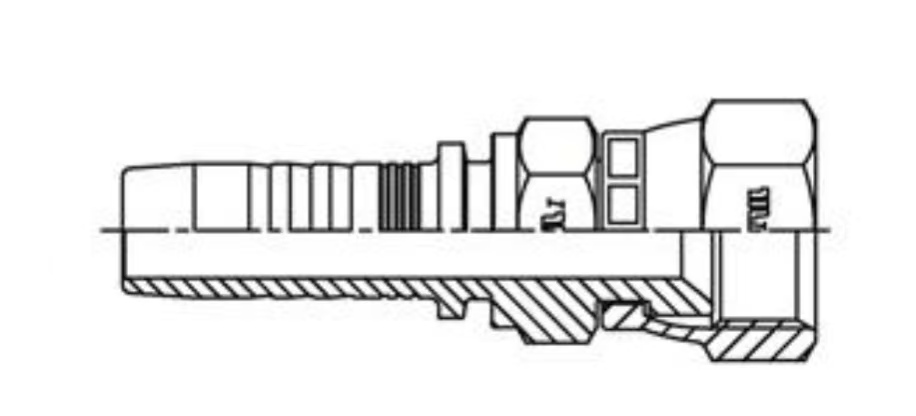
    • Hydraulic hose fittings

    • Hydraulic flange

    • Hydraulic hoses

    • Clamlock & Quick coupling

    • Hydraulic accessories (clamps, hose protector, plugs, etc.)

    • Any customized hydraulic fittings (according to samples or production drawings)
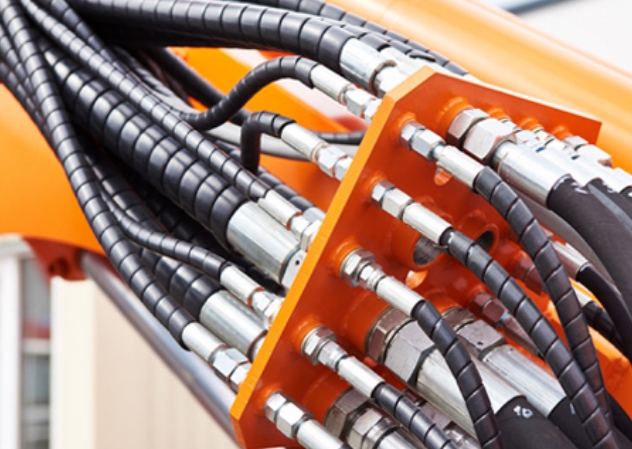
Product application

    • Hydraulic equipment and systems

    • Water and liquid systems

    • Extraction system

    • Oil, gas, petroleum and chemical industries

    • Construction and mining equipment

    • Shipbuilding

The road to breaking the game of industrial arteries (hydraulic hose fittings).

    Hydraulic Hose Fittings: The "Fragile Joints" of Industrial Pulsation and Paths to Breaking the Dilemma

    Inside construction machinery that surges forward like a tide of steel, and within the precision hydraulic systems of machine tools, winding oil pipelines act just like the blood vessels of the human body, responsible for transmitting power and commands. However, these seemingly robust "industrial arteries" and their connecting "joints"—the pipe fittings—are often the most overlooked and failure-prone components in the entire system. An accidental oil leak may, at best, lead to equipment downtime and oil waste; at worst, it can trigger safety accidents and environmental pollution. This article will delve into the key functions and common failure causes of hydraulic hose fittings, and explore practical and innovative approaches to achieve higher reliability.

    I. The Hidden Crisis of "Leakage Incidents": A Warning from a Typical Case

    The vast majority of hydraulic system leaks can be traced back to pipeline connections. A typical case published in Physical Testing and Chemical Analysis Part A: Physical Testing is highly representative: a company’s hydraulic universal testing machine frequently suffered from oil leakage at the pipe fittings, which seriously affected normal testing operations.
    After detailed analysis by the engineering team, the root cause was not simply seal aging, but the inherent vibration of the system. The electromagnetic directional valve in the testing machine generated continuous vibration during frequent operation. These vibrations were transmitted to the rigidly connected steel pipe fittings, creating alternating stress at the root of the fittings, which eventually led to metal fatigue, transverse cracks, and subsequent oil leakage.
    This case reveals a core contradiction in hydraulic pipeline systems: static designs often struggle to cope with dynamic working conditions. It raises a universal question: how to ensure the long-term sealing reliability of these "joints" under daily operating conditions such as vibration, impact, and pressure pulsation?

    II. Anatomy of "Blood Vessels" and "Joints": Types and Characteristics

    To solve the problem, we must first understand the basic units that make up the system. Hydraulic pipelines are mainly divided into two categories: rigid pipes and flexible hoses. Combined with various types of fittings, they are suitable for different application scenarios.

    1. Rigid "Bones": Rigid Pipes and Their Connections

    Rigid pipes (such as seamless steel pipes and red copper pipes) are mainly used for connections between fixed components. Characterized by high pressure-bearing capacity and strong rigidity, they dominate in high-pressure, steady-state systems.
    Connection Methods: There are various forms of fittings, including:
    • Welded type: Features firm connection, reliable sealing and high pressure-bearing capacity, but imposes stringent requirements on welding processes.

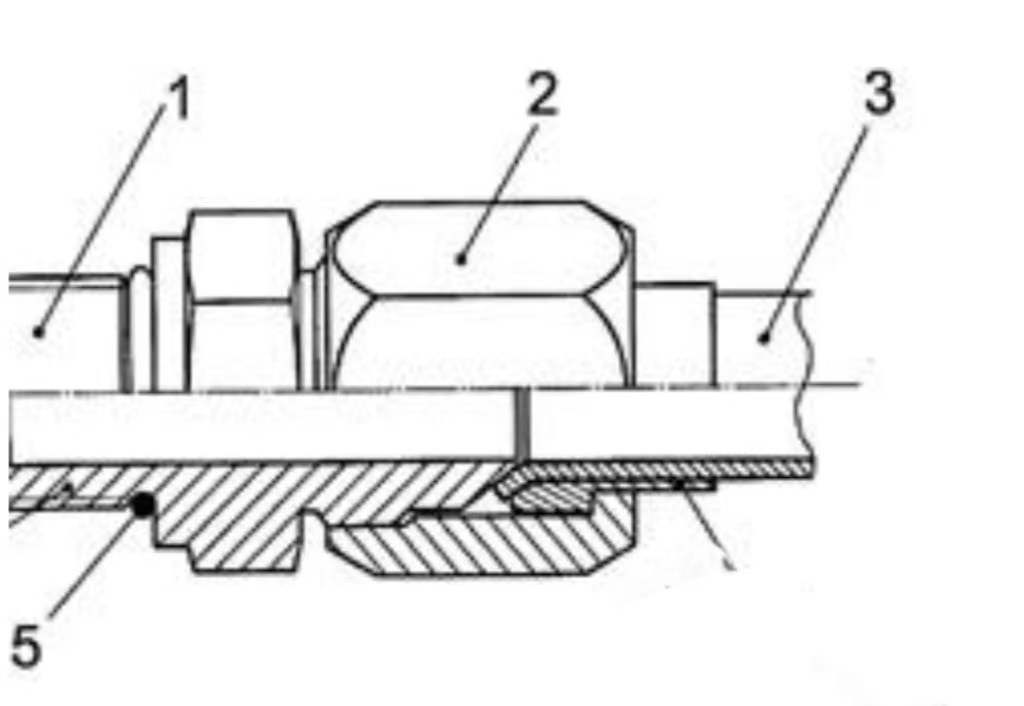
    • Ferrule type: Utilizes the elastic deformation of the ferrule to clamp the oil pipe tightly. Easy to assemble and disassemble with excellent vibration resistance, it is an ideal connector widely adopted in modern hydraulic systems, though it demands high precision for the outer diameter of the pipe material.

    • Flared type: The pipe end is flared into a trumpet shape to fit and seal. With a simple structure, it is suitable for thin-walled copper pipes or low-pressure systems.

    2. Flexible "Tendons": Rubber Hoses and Their Connections

    Rubber hoses are key flexible components connecting parts with relative movement. The interior usually contains one or more layers of steel wire braided or wound reinforcement layers to withstand high pressure. Their core value lies in absorbing system shocks and vibrations, and compensating for installation errors.
    Key Performance: The service life and reliability of hoses depend on three core factors: the wear resistance and environmental aging resistance of the outer rubber layer, the quality and braiding tightness of the steel wire in the reinforcement layer, and the resistance of the inner rubber layer to hydraulic oil (or other media) corrosion.
    Connection Methods: Hose fittings usually adopt crimped or detachable structures, which are tightly integrated with the hose through special equipment or threads to ensure no disconnection under high pressure and pulsation.

    III. In-depth Analysis of Failure Causes: Why Are "Joints" Prone to Damage?

    The aforementioned oil leakage case of the testing machine is just the tip of the iceberg. The failure modes of hydraulic hoses and fittings are complex, which can be mainly categorized into the following types:

    Fatigue and Vibration Damage

    As demonstrated in the case, continuous, insufficiently isolated vibration is the primary culprit behind fitting seal failure and pipe body fatigue cracks. Rigid connections are particularly vulnerable under such working conditions.

    Pressure and Miscalculation in Selection

    Impact pressure exceeding the specified working pressure of the hose (the "water hammer" effect) is the direct cause of hose bulging and bursting. Failure to consider an adequate safety factor during selection poses significant hidden dangers.

    Incompatibility and Corrosion Damage

    Incompatibility between the delivered hydraulic oil (or media such as water-glycol) and the material of the hose inner rubber layer can cause the inner rubber to swell, peel off and deteriorate. These detached particles will contaminate the system; the corroded rubber layer loses its sealing performance, accelerating the rusting of the steel wire layer and ultimately leading to leakage.

    Installation and Stress-related Problems

    Excessively small bending radius during installation, or improper lateral tension or torsion applied to the pipe fittings, will generate excessively high local stress, greatly shortening the service life of the pipeline.

    Deficiencies in Design and Sealing

    Improper design of the connection between fittings and the oil ports of hydraulic components is an inherent defect leading to leakage. The selection of sealing ring materials (such as nitrile rubber, fluororubber, etc.), the precision of groove dimensions, and compliance with standards such as ISO and GB for matching are the fundamental guarantees for reliable static sealing.

    IV. Paths to Breaking the Dilemma: From Optimized Selection to Systematic Thinking

    Solving the problem of hydraulic pipeline leakage requires shifting from passive replacement to active design and preventive maintenance.

    1. Targeted Transformation Practices

    Returning to the testing machine case at the beginning of the article, the engineering team proposed two effective transformation solutions:
    • Solution 1 (Enhanced Fatigue Resistance): Increase the wall thickness of the steel pipe fittings to improve their vibration fatigue resistance.

    • Solution 2 (Overcoming Rigidity with Flexibility): Replace some steel pipes with high-pressure steel wire braided rubber hoses, converting rigid connections into flexible ones to fundamentally reduce and isolate vibration transmission.

    After the implementation of both solutions, the equipment oil leakage failure was completely eliminated. This vividly demonstrates the effectiveness of flexible transformation based on failure mechanisms.

    2. Scientific Selection and Precise Calculation

    • Pipe Diameter Calculation: Scientifically calculate the pipe inner diameter based on system flow rate and allowable flow velocity (e.g., 2.5–5 m/s for high-pressure pipes, 0.6–1.5 m/s for suction pipes) to avoid excessive flow velocity that causes overheating and excessive pressure loss.

    • Pressure Consideration: The working pressure of the hose must be greater than the maximum system pressure, with impact factors taken into account. Its minimum burst pressure is usually required to be 4 times the rated working pressure.

    3. Standardized Installation and Regular Maintenance

    • Installation Standards: Strictly comply with the minimum bending radius requirements for hoses, use appropriate pipe clamps for fixation, avoid friction between hoses and components, and ensure aligned and stress-free connections.

    • Preventive Maintenance: Establish a regular inspection system, focusing on checking whether the outer layer of the hose has cracks, bulges, oil seepage, abnormal wear, or if the fittings are rusted and loose, so as to prevent problems before they occur.

    V. Future Outlook: Smarter and More Reliable Connection Technologies

    Hydraulic pipeline technology is constantly evolving. In the future, we are likely to witness more developments such as:
    • Integration and Lightweighting: Optimize pipeline layout and integrated fitting design to reduce connection points, thereby lowering leakage probability and overall weight.

    • Application of New Materials: Development of high-performance composite materials and special rubber, aiming to enhance pipeline pressure resistance, temperature resistance, media corrosion resistance and fatigue life.

    • Intelligent Condition Monitoring: Embed sensors to real-time monitor pipeline internal pressure, temperature, vibration and fitting seal status, enabling predictive maintenance and issuing early warnings before failures occur.

    Conclusion

    Hydraulic hoses and fittings, this seemingly trivial "capillary" network, are actually the key to maintaining the vitality of the entire hydraulic system. Their reliability cannot be ensured by the simple act of "tightening"; instead, it is a systematic project that runs through scientific selection, precise design, standardized installation and proactive maintenance. From the lessons learned from vibration-induced cracks to the success of flexible transformation, the industry is continuously accumulating experience and wisdom, driving these "fragile joints" to evolve towards greater robustness and intelligence. Only by facing up to and carefully protecting these transmitters of "industrial pulsation" can we ensure the continuous, stable and powerful operation of large mechanical equipment.


International & Hydraulic Hose Fitting Product Hotspots (Recent)

    International & Hydraulic Hose Fitting Product Hotspots (Recent)

    1. International Industry Hotspots

    1.1 Focus on Sustainable Materials in Fluid Conveyance

    • Major European manufacturers (e.g., Parker Hannifin, Eaton) have launched hydraulic hose fittings made of recycled stainless steel since Q1 2026. These fittings reduce carbon emissions by 18-22% during production compared to traditional ones.

    • The EU’s "Green Deal for Fluid Systems" policy, effective March 2026, mandates that 30% of hydraulic components in industrial equipment must use recycled materials by 2028, driving industry-wide material upgrades.

    1.2 Growth of Hydraulic Systems in Renewable Energy

    • Wind turbine manufacturers (e.g., Vestas, Siemens Gamesa) are increasing the use of high-pressure hydraulic hose fittings for pitch and yaw systems. Demand for corrosion-resistant fittings (rated for -40°C to 80°C) has risen by 25% YoY.

    • Solar tracker projects in Australia and the Middle East now widely adopt quick-connect hydraulic hose fittings, cutting installation time by 30% and reducing maintenance frequency.

    • 2.2 Technical Standard Updates

    • The International Organization for Standardization (ISO) released ISO 8434-10:2026 in March 2026, updating pressure ratings for hydraulic hose fittings (maximum working pressure increased to 600 bar for 1-inch diameter fittings) and adding fatigue test requirements.

    • The American National Standards Institute (ANSI) revised ANSI B16.22 in April 2026, requiring all hydraulic hose fittings for food processing equipment to meet FDA food-contact standards (21 CFR Part 175.300).

2026 Hydraulic Fittings & Hoses

    2026 Hydraulic Fittings & Hoses: New Products & Key Trends

    Executive Summary

    2026 marks a pivotal year for hydraulic hose and fitting technology, driven by intelligentization, sustainability, ultra-high performance, and modular integration. The global market is projected to reach $12.86 billion, with innovations centered on smart monitoring, zero-leak sealing, eco-friendly materials, and compact, lightweight designs. Key advancements include IoT-enabled smart hoses, ultra-high-pressure solutions, corrosion-resistant fittings, and quick-connect systems, all tailored for mining, construction, marine, and renewable energy sectors. Below is a curated overview of 2026’s latest products and industry trends.

    1. New Product Launches (2026)

    1.1 Danfoss Aeroquip FC619C Corrugated Suction Hose

    • Launch Date: March 3, 2026

    • Key Features:

      • Industry’s tightest corrugated bend radius (1:1 ratio) for tight-space installation

      • Operating temperature: -40°C to 135°C

      • Exceeds SAE 100R4 & ISO standards; Class 0 leakage (SAE J1176)

      • Sizes: -12 to -48 (19–76.2mm ID); compatible with Danfoss 1A/1G fittings

    • Applications: Hydraulic suction/return lines for mobile & industrial equipment


    1.2 CEJN BLX Series Quick-Connect Fittings

    • Launch Date: January 2026

    • Key Features:

      • One-handed snap-lock mechanism; connects/disconnects in seconds

      • Working pressure: 420 bar; burst pressure: 1680 bar

      • Zinc-nickel coating for corrosion resistance; anti-vibration foldable lever

    • Applications: Heavy construction, demolition, and high-pulse hydraulic systems


      <svg xmlns="http://www.w3.org/2000/svg" width="24" height="24" fill="none" viewbox="0 0 24 24" style="font-variant-numeric: normal; font-variant-east-asian: normal; font-variant-alternates: normal; font-size-adjust: none; font-language-override: normal; font-kerning: auto; font-optical-sizing: auto; font-feature-settings: normal; font-variation-settings: normal; font-variant-position: normal; font-variant-emoji: normal; font-stretch: normal; line-height: 24px; display: block; flex: 0 1 auto; flex-direction: row; justify-content: normal; align-items: normal; padding: 0px; margin: 0px; background-image: none; background-position: 0% 0%; background-size: auto; background-repeat: repeat; background-attachment: scroll; background-origin: padding-box; background-clip: border-box;"></svg>

    1.3 Gates TuffCoat™ Xtreme™ Corrosion-Resistant Fittings

    • Launch Date: March 2026

    • Key Features:

      • Hexavalent-chromium-free eco-coating; 840-hour salt-spray resistance (583% above SAE standard)

      • Superior protection against harsh chemicals & extreme temperatures

    • Applications: Mining, marine, offshore, and chemical processing


      <svg xmlns="http://www.w3.org/2000/svg" width="24" height="24" fill="none" viewbox="0 0 24 24" style="font-variant-numeric: normal; font-variant-east-asian: normal; font-variant-alternates: normal; font-size-adjust: none; font-language-override: normal; font-kerning: auto; font-optical-sizing: auto; font-feature-settings: normal; font-variation-settings: normal; font-variant-position: normal; font-variant-emoji: normal; font-stretch: normal; line-height: 24px; display: block; flex: 0 1 auto; flex-direction: row; justify-content: normal; align-items: normal; padding: 0px; margin: 0px; background-image: none; background-position: 0% 0%; background-size: auto; background-repeat: repeat; background-attachment: scroll; background-origin: padding-box; background-clip: border-box;"></svg>

    1.4 Continental ContiTech “EasyFlex” Hydraulic Hose

    • Key Features:

      • Smaller OD, lighter weight, and tighter bend radius than standard hoses

      • Meets ISO 18752-CC; extended service life

      • Optimized fitting interface for reliable assembly

    • Applications: Compact construction, agricultural, and mining machinery


      <svg xmlns="http://www.w3.org/2000/svg" width="24" height="24" fill="none" viewbox="0 0 24 24" style="font-variant-numeric: normal; font-variant-east-asian: normal; font-variant-alternates: normal; font-size-adjust: none; font-language-override: normal; font-kerning: auto; font-optical-sizing: auto; font-feature-settings: normal; font-variation-settings: normal; font-variant-position: normal; font-variant-emoji: normal; font-stretch: normal; line-height: 24px; display: block; flex: 0 1 auto; flex-direction: row; justify-content: normal; align-items: normal; padding: 0px; margin: 0px; background-image: none; background-position: 0% 0%; background-size: auto; background-repeat: repeat; background-attachment: scroll; background-origin: padding-box; background-clip: border-box;"></svg>

    1.5 Brennan Zero-Leak Sealing Fittings

    • Key Features:

      • Patented adaptive sealing system; zero measurable leakage in 5,000-hour high-pressure tests

      • Withstands extreme pressure pulses & temperature cycles

    • Applications: Semiconductor, food & beverage, and ultra-clean industrial systems


      <svg xmlns="http://www.w3.org/2000/svg" width="24" height="24" fill="none" viewbox="0 0 24 24" style="font-variant-numeric: normal; font-variant-east-asian: normal; font-variant-alternates: normal; font-size-adjust: none; font-language-override: normal; font-kerning: auto; font-optical-sizing: auto; font-feature-settings: normal; font-variation-settings: normal; font-variant-position: normal; font-variant-emoji: normal; font-stretch: normal; line-height: 24px; display: block; flex: 0 1 auto; flex-direction: row; justify-content: normal; align-items: normal; padding: 0px; margin: 0px; background-image: none; background-position: 0% 0%; background-size: auto; background-repeat: repeat; background-attachment: scroll; background-origin: padding-box; background-clip: border-box;"></svg>

    2. 2026 Industry Trends & Technological Breakthroughs

    2.1 Smart Hydraulic Systems (IoT Integration)

    • Embedded Sensors: Hoses/fittings with built-in pressure, temperature, and wear sensors for real-time monitoring, ⑤.

    • Predictive Maintenance: Reduces downtime by up to 50%; critical for heavy industry (costs ~$5,000/hour).

    • Adoption: ~18% of OEMs integrating smart hydraulic systems in 2026.

    2.2 Ultra-High-Pressure & Extreme-Durability Solutions

    • Pressure Ratings: New hoses/fittings for >12,000 psi (827 bar) applications (deep mining, tunneling), ④.

    • High-Impulse Hoses: Exceed 1 million pressure cycles; burst pressure margins improved by 46%.

    • Temperature Resistance: Designs operating from -50°C to 150°C for extreme environments.

    2.3 Sustainability & Eco-Friendly Materials

    • Green Materials: Thermoplastic/hybrid hoses with enhanced chemical resistance (37% of new products).

    • Recyclable & Bio-Fluid Compatible: Aligns with ESG goals; meets ISO sustainability regulations (32% of new hoses).

    • Circular Economy: Shift to “Hydraulic Connection as a Service” for material reuse.

    2.4 Compact, Lightweight & Modular Designs

    • Space-Saving: Integrated multi-port fittings reduce volume by 65% & connection points by 70% (for EV/industrial systems).

    • Weight Reduction: Composite fittings cut assembly weight by 21%; improves fuel efficiency in mobile equipment.

    • Modularity: Quick-assembly systems reduce installation errors by 34%.

    2.5 Leak-Proof & Corrosion-Resistant Technologies

    • Zero-Leak Sealing: Advanced elastomers & precision crimping reduce leakage incidents by 39%.

    • Corrosion Protection: Stainless steel fittings with 40% higher corrosion resistance vs. carbon steel; DLC coatings for extreme durability.

    2.6 Quick-Connect & Efficient Installation

    • Quick Couplings: ~29% of new launches; cuts assembly time by 28% in maintenance-heavy industries, ④.

    • Tool-Free Operation: One-handed designs (e.g., CEJN BLX) boost on-site efficiency.


    3. Market & Application Focus (2026)

    • Key Growth Sectors: Infrastructure, mining, renewable energy, marine, and agricultural mechanization, ⑤.

    • Regional Expansion: 34% of suppliers increasing production capacity to meet global demand.

    • Customization: 26% of demand for tailored hose assemblies; OEMs prioritize fluid-efficient, high-pressure systems (57% adoption).
    Final Summary

    2026 hydraulic hose and fitting innovations converge on smart monitoring, extreme performance, sustainability, and ease of use. Leading manufacturers (Danfoss, CEJN, Gates, Brennan, Continental) are launching products that deliver tighter bends, zero leaks, ultra-high pressure resistance, and IoT connectivity—all while meeting stricter environmental standards. The industry is moving toward integrated, modular, and service-based solutions, ensuring hydraulic systems are more reliable, efficient, and future-ready for heavy-duty and high-tech applications.

Production environment

Get customized solutions immediately

Provide customers with easy-to-use, high-performance equipment and strong technical support. Looking forward to working with you!
Contact Us